27 min read · 5. Juni 2025
Rethinking Autism: Spectrum, Neurodiversity, Diagnosis

Nazim Venutti, MSc PsychClinical psychologist and composer

27 min read · 5. Juni 2025
Autism was once regarded as an extremely rare disorder that affects only a tiny fraction of the population. People spoke of an evil spirit that robbed parents of their children. Today there are many leading researchers who no longer consider autism a disorder at all. Some people even see autism as a fundamental key to human progress, thanks to the divergent, analytical thinking style that often accompanies it.
According to current research, every hundredth person is identified as autistic. In this context, the term Autism, like society itself, is subject to profound change. It is therefore hardly surprising that no one really knows what autism is actually supposed to be. Worried parents who want to help their children; adults who lose themselves in their special interests—behind the differentness and a strong need for a clear diagnosis, there are often special** fates. What do they have in common? To this day, science has searched in vain for a single cause or a fundamental characteristic that captures and describes the essence of autism. That is why people speak of an autism spectrum: autism is not one single thing, but a whole range of things that are different from most people.
The phenomenon of autism is no longer just a matter for science. It has slipped from the interpretive authority of psychiatry, psychology, and sociology and, through the self-advocacy of autistic people—including researchers—has become a paradigm that, alongside autism, also encompasses other neurological predispositions such as ADHD, dyslexia, or high sensitivity: neurodiversity is the modern term that describes a natural diversity of neurological variants that are not, in and of themselves, disordered or ill, but simply different.
What may read to some as if one merely wants to reduce prejudice and discrimination is, in reality, a circumstance that is now well supported scientifically and is gaining a great deal of momentum in modern research.
Through the umbrella term neurodiversity, a new world opens up that calls into question our previous, deficit-oriented medical view of people who are different from what we understand as normal. It is emphasized that autism only appears as a disorder because psychiatry and psychotherapy look at it from a neurotypical (i.e., neurologically “normal”) perspective .1
For autistic people, neurotypical people and the criteria of psychiatry and psychotherapy can just as well appear conspicuous or disordered. Autistic people are in good company, because this list of famous (diagnosed and undiagnosed) autistic people is something else:
In this comprehensive article, alongside an overview of the scientific theories and clinical impressions of autism, the perspective of self-advocacy is also intended to be given room above all. The autistic author Donna Williams describes this approach as “from the inside out”—in contrast to observing from the outside, what counts here is how it feels, as an autistic person, to look at oneself and the world .2
A researcher who is also present in the role of an autistic self-advocate is Dr. Damian Milton. Among other things, Milton proposes encouraging people never to fall into the belief that they have understood autism. He says we cannot really understand autism in itself. What we could understand, however, are the autistic people we are in contact with.
He understands this desire to understand as an ongoing process, a mutually respectful interaction in which we repeatedly overcome prejudices and what is taken as true in order to be able to recognize and protect the natural diversity of perspectives, thinking styles, and behaviors.
At the very least, however, it calls into question the matter-of-course way in which the autism spectrum is still described on countless websites as a severe developmental disorder, without any indication that this is a heavily criticized and pathologizing perspective that seems to do more harm than good.3
There are many debates about the right language when dealing with autism. The majority of autistic voices prefer an identity-first phrasing, “autistic person,” over a person-first phrasing “person with autism.”4
Person-first phrasing is the recommended form of communication with chronically ill people in a medical context. It is meant to help avoid defining people by a particular illness or disorder and to avoid treating the condition as part of their identity. For example, it is recommended not to speak of diabetics, but of people with diabetes.
Precisely for that reason, autistic people seem to prefer identity-first phrasing—because autism is not an illness, but describes an essential part of one’s own identity:
We are not people who ‘just happen to have autism’; it is not an add-on that can be separated from who we are as people, nor is it something shameful that must be reduced to a subordinate clause. —Clare Sainsbury
According to a recent, extensive survey, most autistic people prefer identity-first terminology, also compared to identity-only terminology “autists.” 4This is preferred over person-first terminology, but is nevertheless clearly less preferred than the term “autistic person.” On Zensitively, identity-first phrasing is therefore used wherever possible. When dealing with autistic people, it is advisable simply to ask which phrasing they prefer and to stick to it as much as possible.
Zensitively also uses the term “autistic spectrum” and avoids terms such as autism spectrum disorder (ASD) or autism spectrum condition (ASC), as these evoke a connotation with the medical model of autism and can harm autistic people’s self-worth and sense of identity. Only where educational work is to be done and these terms may be searched for specifically in order to obtain information about them are these terms used.
When the psychiatrist Eugen Bleuler stumbled upon autism in 1911, he believed he had found a kind of schizophrenia in children. He was the one who coined the term autism with the following sentences:
Schizophrenics who no longer have contact with the outside world live in their own world. They have cocooned themselves with their wishes and longings … they have cut themselves off from any contact with the outside world as far as possible. We call this detachment from reality, with the relative and absolute predominance of inner life, autism. —Eugen Bleuler5
This description has little to do with today’s understanding of autism. However, it explains how the term Autism came into being: the Greek word autos means self, i.e., autism was meant to mean something like “self-ism”—a turning away from the social world toward one’s own fantasies and dreams. A living-in-one’s-own-world that Bleuler believed he had identified as the basic structure of autism.
Thirty years later, in the early 1940s, it became increasingly clear that autism differed significantly from schizophrenia. Two other psychiatrists, Kanner and Asperger, who independently worked with supposedly schizophrenic children, recognized central symptoms of autism that, unlike Bleuler, they could not connect with schizophrenia.
Kanner’s work formed the foundation for an initial understanding of autism. To this day, in German-speaking countries people still speak a lot of “Kanner autism” when it comes to early childhood autism. Asperger’s work, by contrast, remained rather undiscovered in the background until the 1970s, but in recent decades it has experienced a real surge in popularity: so-called Asperger autism, also known as Asperger syndrome, was understood as a high-functioning variant of autism. As a concept, Asperger syndrome is heavily charged and is under massive criticism. On the one hand because it classifies autistic people by functionality, and on the other hand because the hierarchies that arise in this way, paired with Asperger’s Nazi background, make the danger that goes along with functionalizing human traits palpable.
To this day, not only is it hotly disputed what autism actually is, but also what causes such a developmental pattern in children. Until a few years ago, it was not unusual to think that it was the emotional coldness of mothers that was responsible for autistic children: people spoke of “refrigerator moms.” A reckless and misogynistic theory that has since proven to be completely untrue.
Today we know that autism is a predisposition, i.e., genetically determined, though there seem to be environmental factors that decide whether the genes are activated or not.
One of the most persistent psychological theories regarding autism is the claim that the core deficit in autistic people is an impaired Theory of Mind .6
By Theory of Mind is meant the ability to put oneself in another person’s shoes. This is sometimes also referred to as mind-reading or mentalizing. The basis for this theory was experiments showing that autistic children aged between 6 and 16 failed at certain tasks that were supposed to test Theory of Mind .7
However, this theory had to be revised in large parts. For one thing, it was called into question that this theory applied to all people on the spectrum and thereby described a central feature of the autism spectrum .8 For another, it was criticized that failure on the tasks might be attributable to a lack of motivation to deceive .9 Difficulties in language processing or memory performance were also cited as possible alternative causes.10
Later studies showed that the ability to successfully solve Theory-of-Mindtasks increases with age and IQ, which pointed more to a delayed development of abilities than to a true deficit.
As with ADHD, in autism research theories that suggest a delayed development of cognitive abilities are considered the most likely. It is plausible that neurodivergent children (e.g., with ADHD or autism) do not benefit as much from conventional learning strategies and may therefore need longer to acquire abilities that are taken for granted in non-autistic children of the same age.
In part, this delay is caused by the fact that learning environments are geared toward the needs of neurotypical children. Specific learning strategies tailored to the neurological structure of autistic children could help offset part of the delay.
In addition, the delay is measured against criteria that are largely designed for a neurotypical system. For example, the intensity of immersing oneself in fantasy worlds and the ability to concentrate within these worlds is not counted as learning success.
Another argument, which will be explored in more depth later in this article, is that a supposed “deficit in social functions” cannot be located exclusively within one person, but would rather have to be viewed as a breakdown in communication between two people who process information very differently .11
In psychology, abilities involved in maintaining an appropriate problem-solving strategy in order to achieve a future goal are referred to as executive functions .
Besides autism, this term is particularly common in the context of ADHD. The theory that a deficit in executive functions is a central feature of ADHD persists to this day as if it were a fact, although it has been widely criticized and scientifically questioned. Autistic people also seem to have difficulties with executive functions, e.g., with shifting attention.12
However, the idea that this is a core feature of autism has been criticized by many researchers, because people diagnosed with Asperger syndrome in particular perform well on executive function tests.
Another group of researchers also found that autistic people often perform excellently in nonverbal IQ tests and also in problem-solving tasks—i.e., tests that do not require verbal processing .13
Many researchers interpret this as an indication that in autistic people, executive planning is separated for nonverbal tasks from verbal tasks. So a weakness in verbal response tests cannot necessarily be attributed to a deficit in executive functions. The more likely interpretation is that executive functions work differently in autistic people.
A current theory for understanding the causes of autism is that of monotropism. Of the theories presented, this is the only one developed with the inclusion of the autistic perspective. Monotropism theory is based on the assumption that the amount of attention available to a person is necessarily limited. As a result, the form of cognitive processes would be determined by a competition for attention: mental processes that receive attention are promoted and continued, while processes that do not receive attention meet a different fate. People, according to monotropism, differ in the way how attention is distributed.
Monotropism theory argues that these strategies for distributing attention are largely genetically predisposed and that the range of predispositions extends from a diffuse attention for very many processes to a focus on a small number of interests.14 People who focus on a smaller area of focused interests are counted as part of the autism spectrum, while people who can deploy their attention more broadly are considered non-autistic (also called allistic).
It is primarily about concrete processes, such as a conversation, and not necessarily about interests. While an allistic person can distribute their attention and take a broad range of context into account, an autistic person is as if in an attention tunnel. In a conversation, for example, it would be noticeable in that the autistic person’s entire concentration focuses on decoding the content, while an allistic person can attend to the entire context, including social conventions and possible reactions of the conversation partner.
This makes it easier for the allistic person to construct a social subtext—a known weakness of many (but not all) autistic people. Besides, it is an outdated perspective that autistic people always take communication literally and cannot recognize feelings or intentions. Many autistic people do acquire these skills, but in a different way than allistic people: they focus on additional aspects of communication, such as eye movements, to infer feelings.
Monotropism theory also explains why for people on the autism spectrum there are some very passionate interests, while many other things appear completely uninteresting.
It could also explain why an unexpected change in the “attention tunnel” in which autistic people often find themselves can feel dangerous. Autistic people not infrequently report feeling that in certain situations they are cut off from an inner sense of safety and truly lose themselves. Comparable to a submarine that dives into the depths and then suddenly loses contact with the outside world.
This could also give rise to a high sensitivity and high detail perception for which autistic people are known. For some time now, it has been clear that autistic people can react hypersensitively (highly sensitively) to stimuli, but at the same time can also be hyposensitive (i.e., particularly insensitive) to similar but other stimuli. According to monotropism theory, high sensitivity would be explainable in that a high detail perception prevails in the processes that receive attention—i.e., those that are of interest—while the uninteresting areas are processed less strongly and lead to hyposensitivity (insensitivity).
A person with a strong interest in music and musical sounds can thus immerse themselves deeply in the music and have a high level of detail perception there, because cognitive processes associated with music receive more attention and are fostered. In contrast, calls to the person, even if they contain their name, could, as social processes (which tend to benefit from a broader spectrum of attention), be overwhelming and less interesting, thus receive less attention and lead to reduced perceptual ability.
In monotropism theory, autistic people are not viewed in terms of structural deficits, as proposed by the medical model of autism. Instead, their tendencies for processing, perception, learning, and behavior are derived from their own monotropistic system of interests. This makes it a theory that is compatible with the understanding of neurodiversity.
The most common definition of autism one still encounters today is still that of a “lifelong developmental disorder that affects how a person communicates with others and builds relationships. It also affects how they understand the world around them.”15
Despite strong criticism, this deficit-oriented definition aligned with the medical model, which is limited to impairments and behavioral deficits, has shaped the diagnostic criteria to this day. Since 2012, the criteria have undergone only minor changes; a “triad of impairments” is still considered the central guideline for diagnosis. These are the three areas social interaction, Communication and restricted patterns of behavior, interests and activities with the following symptoms:
There are two important reasons why this understanding of autism is criticized and is considered outdated in modern science:
First, there is a shifting of the problem onto the brain or mind of the autistic person; i.e., away from the world in which the person lives, or into the relationships and interactions in which they find themselves. This perspective is decidedly at odds with the social model of disorders and disabilities.16
Another reason is the deficit-oriented perspective on autism. The expressions “inflexible adherence” or “intense preoccupation,” for example, are not deviations from objective criteria of healthy experience, but from a socially constructed “normality,” namely neurotypical behavior. The deficit is therefore a matter of perspective: if you construct a normality that excludes autistic experience, the abilities of autistic people appear deficient.
To speak, for example, of a social impairment , social contact would have to depict a kind of reality that would also have to be measurable. Neurotypical people—those who are not neurologically conspicuous—most of the time experience it that way: a social situation is clearly categorized and understood—it seems as if the social subtext is actually unmistakably clear. This creates the impression that autistic people have a deficit: they are not able to recognize this social subtext.
But many sociologists doubt this supposed basic understanding. Because according to modern views, social subtext is constructed between the participants. It is therefore not an unmistakable, objective reality like laughter or a clear gesture, but something subjective, created in the moment by the parties.
But that also means that autistic people are not missing something that really exists, like a passing car, but simply are not participating in an implicit, unspoken agreement to interpret an event in a particular way. The failure to participate in the “conjuring” of a subtext cannot be described as a social deficit, but at most as a deviation.
There are enough contexts in which such deviant behavior can be viewed as a skill rather than a deficit: by not going along with a socially constructed subtext that it would be fine how we are dealing with the planet, an autistic person like Greta Thunberg (who by her own account was diagnosed with Asperger syndrome) is able to recognize human-caused climate change more directly and unmediated and to hold society accountable.
Something similar could be said of someone like Albert Einstein: if he had, like most people, likewise constructed the implicit understanding of what time seems to be, he certainly could not have developed the general and special theories of relativity, because they require a completely new way of thinking about time.
This criticism of the deficit-oriented understanding is supported by the fact that many autistic people can acquire the ability to construct social subtext if they are interested in social interaction and have enough time to grasp the context.
Thus it can happen that an autistic adult man becomes a veritable master of dating17 through painstaking study of old romantic Hollywood films.
So it is illogical to speak of an individual “social deficit” if autistic people do not build this construct themselves, but have the ability to learn it. In the case of interactions between autistic people and those who are not on the autism spectrum, both often have problems empathizing with each other: a “double empathy problem” (“Double Empathy Problem”), as11 Milton calls it. In fact, autistic authors have been saying for many years that empathy is a “two-way street.” Dr. Michelle Garnett also speaks of affective empathy in autistic people often functioning even more strongly than in allistic people, but cognitive empathy causing17
difficulties.
The symptom “lack of emotional reciprocity” is therefore another example of a neurotypical view of autistic people that is not rooted in objectivity and leads to a deficit-oriented assessment of autistic people. In the simplest case, the different perspectives of neurotypical and autistic people merely lead to interpersonal misunderstandings. But if one side dominates and is able to impose its own view on the other, devastating consequences can11 result.
The outside view of the dominant other can be internalized and lead to a loss of connection to one’s own authentic self.
That is precisely one of the central challenges and problems of autistic experience. Because autistic people are continuously—24 hours a day, seven days a week—confronted with neurotypical views. In addition, associations and institutions that set diagnostic criteria can exert structural power over them. Films, teachers, coaches, events, psychologists, diagnoses, parents, authorities—it is only a matter of time before an autistic person internalizes this view from the outside and loses their own. *When that happens, autistic people start putting themselves under pressure and behaving according to the internalized expectations. We call this process masking or camouflaging, and it is a form of neurotypical performance Many autistic people (especially autistic women) are excellent at masking or compensating for their autistic traits and serving the outside world a person they are not really.
I had virtually no socially shared nor consciously, deliberately expressed personality beyond this performance of a non-autistic ‘normality’ with which I had neither understanding, connection, nor identification. This separate, constructed facade was accepted by the world around me, while my true and connected self was not. Every spoonful of this acceptance was a shovel full of earth on the coffin in which my true self was buried alive. —Donna Williams2
Anyone in Germany who suspects autism in themselves or their own child and goes through a process for an autism diagnosis should be aware that supposedly “official diagnostic criteria” and therefore also diagnostic practices correspond more to the state of research in the 1970s–1980s than to the current state.
There are two international systems for the classification of diseases and disorders. The DSM-V of the American Psychological Association (APA), which is not used in Germany for diagnosing diseases, but is also used here in research. It currently offers the only way to diagnose autism as a spectrum at all and to differentiate meaningfully between degrees of severity of impairment.
The other classification system is the ICD (International Classification of Diseases). Since 2022, ICD-11 has formally applied in Germany; however, it is not yet diagnostically binding and in practice (as of October 2024) diagnoses in Germany are still made according to ICD-10.
ICD-10 has criteria for a diagnosis of autism spectrum disorder that date back to 1994 and correspond to the scientific state of the 1970s and 1980s. The subdivision into early childhood autism or Kanner autism, Asperger syndrome, and atypical autism is now considered archaic, ableist, and outdated, but is still used in practice in Germany.
Parents and adults who engage with autism should definitely be aware that these terms map autistic experience insufficiently to incorrectly.
With ICD-11, these categories are to be dissolved and, following the model of DSM-V, autism is finally to be recognized as a spectrum and continuum with countless variants. The hope is that access to therapeutic support will be made easier; also for those people who are on a part of the spectrum that was previously not captured by the rigid categories of ICD-10.
But while many autism therapy centers welcome the forthcoming changes, one major point of criticism remains that the concept of the autism spectrum according to DSM-V is also clearly behind lived reality, since it too was conceived as deficit-oriented from the ground up. The modern understanding of neurodiversity has reached neither ICD-11 nor DSM-V.
One major criticism of ICD-11 is, for example, that the symptom examples and thus guidance for diagnosis were still tailored to observable behavior in childhood. But the symptoms in adulthood, as is now known, differ massively from those of childhood.
Practices and therapy centers in Germany that present themselves as modern and scientific not infrequently also use test procedures with adults that are actually not suitable for diagnosing adults at all (e.g., the ADI-R).
It seems as if a majority of the personnel trained for autism diagnosis are not really able to reliably and humanely recognize autism in adults and offer the necessary support.
According to ICD-11, autism spectrum disorder is defined as follows:18
The following are considered necessary criteria for a diagnosis:
Persistent deficits in initiating and sustaining social communication and reciprocal social interactions that are outside the expected range of typical functioning relative to the person’s age and level of intellectual development. Specific manifestations of these deficits vary according to chronological age, verbal and intellectual ability, and severity of the disorder.
Persistent restricted, repetitive, and inflexible patterns of behavior, interests, or activities that are clearly atypical or excessive for the person’s age and sociocultural context.
Onset of the disorder occurs during the developmental period, typically in early childhood, but characteristic symptoms may not fully manifest until later when social demands exceed limited capacities.
The symptoms result in significant impairments in personal, family, social, educational, occupational, or other important areas of functioning. Some people with autism spectrum disorder are able to function appropriately in many contexts through extraordinary effort, so that their deficits are not recognizable to others. A diagnosis of autism spectrum disorder is nevertheless appropriate in such cases.
There is a lot of resistance and criticism regarding these diagnostic criteria, which still assume a medical rather than a social model, map the spectrum only insufficiently, and use deficit-oriented language. When choosing a diagnostic center, it is therefore strongly recommended that the staff be familiar with the neurodiversity paradigm and apply modern scientific standards. In England or Australia this is easier; in Germany (as of October 2024) it seems extremely difficult. Leading researchers such as Prof. Tony Attwood and Dr. Michelle Garnett emphasize that autism should be regarded in the diagnostic process as a natural predisposition and part of neurological diversity, and even suggest preferring the term “discovery” (author’s translation from the English “discovery”) over17
“diagnosis.”
In an ideal world, the diagnosing person is autistic themselves or is very familiar with the perspective on autism “from the inside out”—i.e., they can understand the experience of autistic people through their own experience or perspective shifts. Otherwise, the risk of dismissing autistic experience as deficit-oriented or misunderstanding it is very high. However, this does not mean across the board that non-autistic professionals have no empathy or competence with regard to autism. The individual case is always decisive.
Further criteria for a careful and helpful diagnosis should be:
For autism in adults, the following points should also be considered:
Perhaps the most important criterion, however, is that adults and children who are in the diagnostic process should have the feeling: “This person simply understands me.” The feeling of being understood is not only of fundamental importance in therapy or psychological counseling—it is also an essential component of humane diagnostics.
After an autism diagnosis, many new questions arise together with this diagnosis for the person themselves, but also for parents, siblings, and partners. One of the most common is about a therapeutic offering. Behind this is often: “What am I supposed to do with this now?”
First and foremost, it is important to understand one thing: an autism diagnosis does not mean that the diagnosed person is ill or disordered and must, should, or can be cured of autism. It means, first of all, only that they are wired differently and, because of a world that is not tailored to their needs and imposes its own perspective on them (often violently), they will experience many difficulties and obstacles over the course of their life.
One drawback of understanding autism as a broad spectrum can be that people who are hindered to very different degrees by the physical and psychological societal barriers are grouped together and considered jointly. Their needs can be very different.
With so-called functioning labels (“functioning labels”), there is an attempt to distinguish between autistic people who cope relatively well with societal barriers (as with “Asperger syndrome” or high-functioning autism) and others who have considerable problems with them (as with “Kanner autism”). Most autistic people reject these functional terms, however, because they make inclusion more difficult and increase the danger that a hierarchy of autism4 emerges.
At the same time, however, it is important that autistic people can receive support according to their needs.
The goal is to understand that the autism spectrum includes both people with multiple and severe disabilities as well as those who seem to function effortlessly within societal structures and in whom no signs of disability are apparent.
Even if an autistic person seemingly gets through life well and does not seem to be “severely affected,” appearances can be deceptive: often, being “almost normal” is a performance that comes at a price. There can be great discomfort, insecurity, lack of self-worth, or a feeling of great emptiness and a real loss of identity behind it.
The preferred approach for many autistic people is sound psychological counseling with an expert who simply understands autism and is experienced in supporting autistic people. If ADHD or alexithymia is also present, it is important that these areas are also part of the professional’s expertise.
In cases where a mental disorder or illness occurs together with autism—where, for example, an anxiety disorder or depression is present—it can make sense to treat it psychotherapeutically. Otherwise, in most cases, sound psychological counseling is preferable to psychotherapy, because autism is not an illness that can be “treated” and “cured,” and there is no proven effectiveness of psychotherapies for the core symptoms of autism.
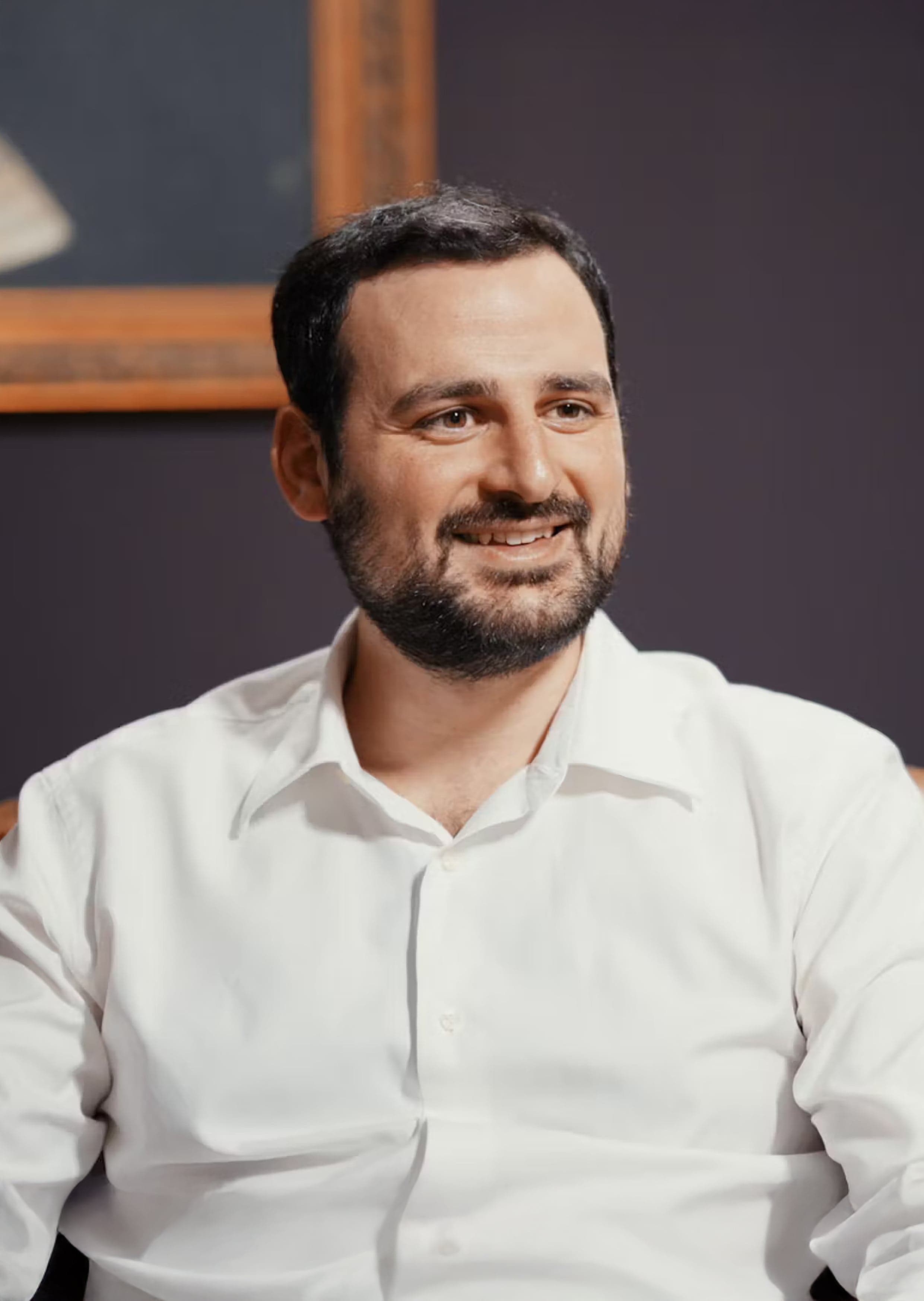
is a clinical psychologist and composer from Hamburg. He is neurodivergent himself and combines a professional perspective with an inside-out view. He is the author of the book Mastering Neurodiversity and the developer of the neurodiversity self-test.
Use the free Neurodiversity self-test for adults to better understand your own nervous system.